I’m David Bentley.
What interests me is understanding a problem well enough to build something that genuinely helps. Sometimes that means connecting systems that disagree. Sometimes it means giving a team a tool it has wanted for years.
The work isn’t finished when the software runs. It matters whether people can use it, understand it and make better decisions with it.
I’m a British systems engineer living near Cusco, Peru, working New York hours. I’ve been building with AI for nearly four years, after more than 17 years in online business: marketing, funnels, operations and data.
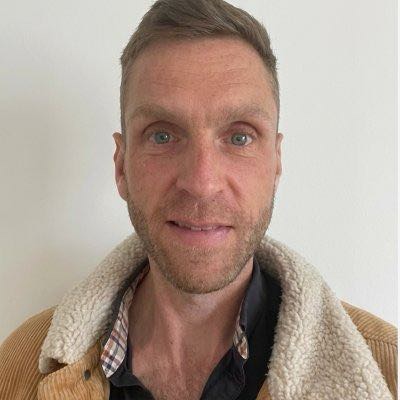
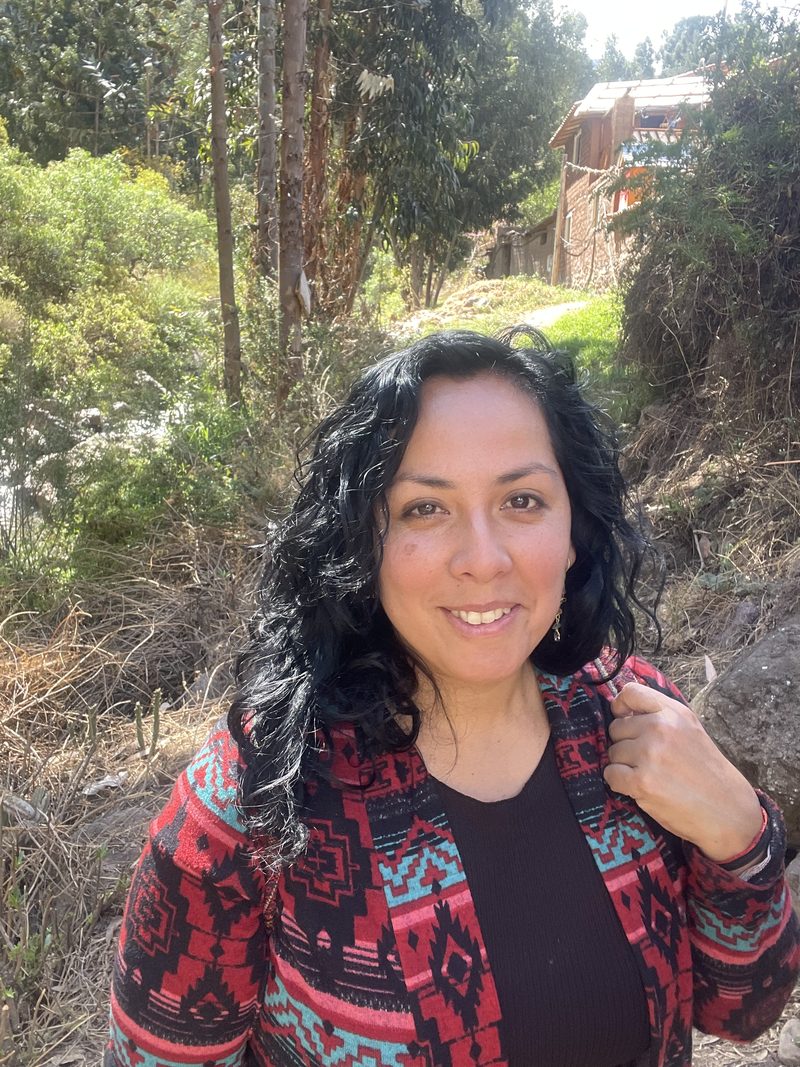
How I choose work.
I want my work to leave the people at the end of it better off. Three questions help me decide.
If the organisation did its job perfectly, would the people it serves be better off?
That rules out businesses that profit when their customers struggle.
Whose side is the work on?
I build what helps people pay less, choose better or get help sooner, not what pushes them to pay or consume more than they’d choose.
Is it honest about its trade-offs?
No business is perfect. I look for ones that say where they fall short and keep moving in a better direction. Profit and purpose aren’t opposites.
And a personal test: would I be proud to tell my children about it?
How I work.
- I don’t claim results I haven’t measured.
- Anything consequential waits for a named person’s approval, and approval applies to the exact version shown.
- For a clearly scoped problem, a first version is often ready within days. It’s a prototype for testing, not yet a production system.
- A fixed price, agreed in writing before work starts.
- You keep control of your accounts and data, with the agreed code, documentation and records.
- Orietta Trebejo reviews the agreed facts on new builds before handover.
How I use AI.
AI drafts, searches and builds alongside me. I decide what ships, and I check its work the way I’d check a colleague’s, against the evidence, before it reaches you.
When an assistant learns from your edits, it can change how it writes, never what it’s allowed to do.
Read the note on learning and permissionsCommunity work.
Alongside client work, I collaborate with LAAD, a research lab at UNSAAC in Cusco, on offline communication designed for an Andean community to govern. It’s research, separate from my client work.
About the community workWhat would you like to build or fix?
A few sentences is enough to start. The first conversation and an outline are free. Any build is paid work, at a price agreed in writing. Please leave out passwords and customer records.